
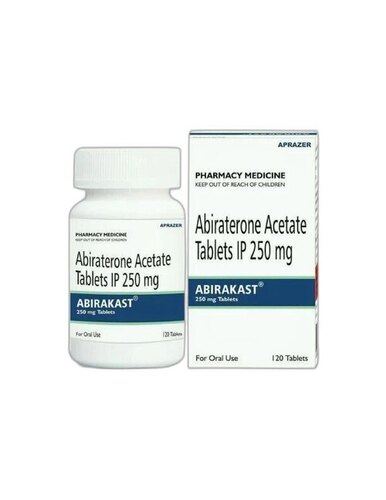
Newcastle’s John Hunter Hospital and Calvary Mater Newcastle Cancer Centre serve the Hunter Region’s prostate cancer patients — a population with significant coal mining industry legacy creating elevated rates of occupational respiratory disease and cardiovascular risk that compounds prostate cancer treatment complexity. For Hunter Region patients outside PBS eligibility or managing high co-payments, Abiranamo 250mg provides the same life-extending Abiraterone at dramatically reduced cost through Unnati Pharmax.
Visit unnatipharmax.com | 📱 +91 82650 41513 | 📧 Unnatipharmax@gmail.com
 FAQ 1: How does the Hunter Region’s coal mining legacy affect prostate cancer patients on Abiranamo?
Newcastle’s Hunter Valley has been Australia’s primary coal mining region for over a century — employing generations of working-class men in physically demanding, occupationally hazardous work. The coal mining legacy creates specific health intersections with prostate cancer management. Respiratory disease — coal workers’ pneumoconiosis, COPD from coal dust and cigarette smoke, and mesothelioma from asbestos co-exposure in older mining infrastructure — affects many Newcastle prostate cancer patients. These respiratory conditions complicate Abiranamo treatment in several ways: corticosteroids (prednisone/prednisolone required with Abiraterone) can worsen existing respiratory conditions, increase infection susceptibility in already-compromised respiratory immunity, and interact with inhaled corticosteroids creating cumulative adrenal suppression risk. Cardiovascular disease — from decades of physically demanding labour, smoking, and mining-associated chemical exposures — elevates the cardiovascular risk that ADT and Abiranamo further compound. Newcastle’s Calvary Mater Cancer Centre’s oncology team works closely with respiratory and cardiology colleagues at John Hunter Hospital to manage these complex comorbidity profiles for Hunter Region mining workers and retirees on Abiranamo — requiring tailored corticosteroid dosing and cardiovascular monitoring protocols beyond standard Abiraterone management.
FAQ 2: What is the PBS listing for Abiranamo in Australia and what patient groups in Newcastle need private access?
Australia’s PBS lists Abiraterone (brand Zytiga) for: mCRPC (metastatic castration-resistant prostate cancer) — both post-chemotherapy and pre-chemotherapy/chemo-naive settings; and mHSPC (metastatic hormone-sensitive prostate cancer) in combination with ADT. PBS authority is required — specialist oncologist or urologist prescription with documentation of metastatic disease and castrate testosterone level. For eligible Newcastle Medicare cardholders, PBS co-payment (approximately AUD $30) makes Abiraterone highly affordable. Newcastle patients outside PBS access: international residents including overseas workers on the Hunter Valley’s major coal and agricultural projects without Medicare; patients in the assessment period before PBS authority is granted (urgent disease progression during 4-6 week bureaucratic process); patients requiring Abiraterone for investigational indications not yet PBS-approved (combination with novel agents in trial contexts); and patients whose private oncologists prefer the fine particle formulation (not PBS-listed) over standard Abiranamo tablets. Abiranamo 250mg from Unnati Pharmax fills these gaps at dramatically reduced cost — with WHO-GMP certification ensuring the quality equivalence that Newcastle’s Calvary Mater Cancer Centre oncologists need to be confident prescribing continuation with privately-sourced medication.
FAQ 3: How does Abiranamo 250mg interact with medications for the chronic pain commonly treated in Newcastle’s former mining workforce?
Newcastle’s retired mining workers carry high rates of musculoskeletal pain — chronic back pain, knee and hip osteoarthritis, and work injury sequelae — often managed with analgesics and anti-inflammatory medications. Abiraterone interactions with common pain medications: opioids (morphine, oxycodone, fentanyl — widely used in Newcastle’s pain management for former miners) — Abiraterone inhibits CYP1A2 and CYP2D6, potentially increasing levels of opioids metabolised through these pathways; clinically, opioid effects may be enhanced and dose adjustment may be needed; Newcastle palliative care and pain management teams are specifically informed when Abiranamo is initiated in patients on regular opioids. NSAIDs (ibuprofen, naproxen — common for musculoskeletal pain) — no significant pharmacokinetic interaction, but NSAIDs compound Abiraterone’s cardiovascular risk and kidney effects in a population already at cardiovascular risk; paracetamol is preferred for pain management in Newcastle’s Abiranamo-treated patients where possible. Pregabalin/gabapentin (neuropathic pain, common in former miners with nerve compression injuries) — no significant interaction with Abiraterone. John Hunter Hospital’s oncology-pain management liaison service provides integrated pain management for Newcastle’s prostate cancer patients on Abiranamo with complex pre-existing pain conditions.
FAQ 4: What palliative and supportive care is available in Newcastle for late-stage Abiranamo-treated prostate cancer?
Newcastle’s palliative care infrastructure is well-developed relative to its size — a recognition of the Hunter Region’s ageing population and high cancer burden. Hunter New England Health’s Palliative Care service provides: home-based palliative care for Newcastle’s prostate cancer patients in their own homes and in residential aged care facilities across the Hunter Valley; inpatient palliative care at Calvary Mater Newcastle’s palliative care unit; community palliative care nurses who visit Newcastle patients managing advanced cancer at home; and a 24-hour palliative care phone consultation line for patients, families, and general practitioners. Specific services for Abiranamo-treated prostate cancer: bone metastasis pain management — Newcastle’s radiotherapy department at Calvary Mater provides palliative radiotherapy for painful bone lesions; bone protection with zoledronic acid or denosumab infusions; physiotherapy and occupational therapy for maintaining mobility and functional independence; and psychological support for both patients and carers managing the trajectory of advanced prostate cancer. Hunter Valley’s cancer support groups — including the Newcastle Cancer Council Hunter chapter and Prostate Cancer Foundation of Australia’s Hunter network — connect Newcastle prostate cancer patients with peer support and practical assistance. Abiranamo 250mg remains relevant throughout much of this palliative journey — maintaining hormonal control and quality of life even as disease advances.
FAQ 5: What is the Hunter Region’s prostate cancer screening culture and how does early detection affect Abiranamo treatment patterns?
Prostate cancer screening in the Hunter Region reflects Australia’s evolving national debate about PSA screening — Australia has not adopted a national organised PSA screening programme, unlike some European countries, leaving prostate cancer detection to opportunistic GP-initiated testing. The result: considerable variation in stage at diagnosis across Newcastle’s diverse communities. Working-class former mining communities — where GP engagement for “well man” health checks is lower, and where stoicism about symptoms delays presentation — have historically higher rates of late-stage prostate cancer diagnosis. Professional and middle-class Newcastle residents with more proactive healthcare engagement are more likely to be diagnosed at PSA-detectable earlier stages. The Cancer Australia/RACGP’s position on PSA screening (recommending shared decision-making about screening rather than routine population screening) means Newcastle GPs have variable practices. For Newcastle prostate cancer patients who present with already-advanced disease — mHSPC or mCRPC — Abiranamo 250mg from the outset of systemic therapy represents the modern standard of care that dramatically extends survival beyond ADT alone. Earlier-stage detection through PSA screening, while not universally adopted, ultimately reduces the proportion of Newcastle patients who require Abiranamo by enabling curative-intent treatment (surgery or radiotherapy) at localised disease stages before metastatic progression requires systemic hormonal therapy.





Add comment