
What’s Inside This Blog:
- Introduction to stem cell transplant
- Types of stem cell transplant
- Step-by-step procedure
- Indications and precautions
- Popular medicines used before, during, and after transplant
- How Unnati Pharmax supports global buyers
- FAQs
Introduction to Stem Cell Transplant
Stem cell transplant, also known as bone marrow transplant, is a revolutionary procedure used to treat blood disorders, including leukemia, lymphoma, multiple myeloma, and severe aplastic anemia. It involves replacing damaged or diseased bone marrow with healthy stem cells to restore normal blood production.
With advancements in medical research, stem cell transplants have become safer and more effective, offering hope to patients who previously had limited treatment options.
At Unnati Pharmax, we supply a wide range of medicines used in stem cell transplants to hospitals and clinics worldwide, catering to both bulk and individual buyers.
Types of Stem Cell Transplants
1. Autologous Stem Cell Transplant
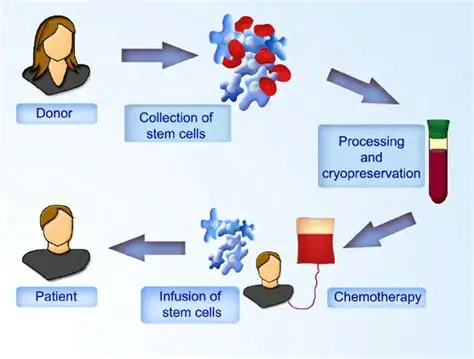
In this type, stem cells are collected from the patient themselves before high-dose chemotherapy or radiation. The collected cells are then stored and reintroduced into the body after treatment.
Benefits:
- Lower risk of rejection
- Useful for patients with multiple myeloma or lymphoma
2. Allogeneic Stem Cell Transplant
Here, stem cells are obtained from a compatible donor, either a relative or unrelated donor. The transplant replaces diseased marrow with healthy donor cells.
Benefits:
- Can cure genetic disorders and blood cancers
- Provides graft-versus-tumor effect, reducing cancer recurrence
3. Umbilical Cord Stem Cell Transplant
Stem cells are collected from umbilical cord blood of newborns. This type is valuable when a matched adult donor is unavailable.
Benefits:
- Readily available
- Lower risk of infections
Step-by-Step Stem Cell Transplant Procedure
Step 1: Pre-Transplant Evaluation
Patients undergo a thorough medical evaluation, including blood tests, imaging, and infection screening.
Medicines Often Used:
- Antivirals (e.g., acyclovir, ganciclovir)
- Immunosuppressants to prevent complications
Step 2: Stem Cell Collection
- Autologous: Stem cells are collected from the patient’s blood or bone marrow
- Allogeneic: Donor stem cells are collected and prepared for transplantation
Step 3: Conditioning Therapy
Patients receive high-dose chemotherapy or radiation to destroy diseased cells and suppress the immune system to prevent rejection.
Medicines Often Used:
- Chemotherapy drugs like melphalan, busulfan, cyclophosphamide
- Anti-nausea medications
Step 4: Stem Cell Infusion
Collected stem cells are infused intravenously, similar to a blood transfusion.
Step 5: Engraftment
Stem cells migrate to the bone marrow and start producing new blood cells. Engraftment usually takes 2-4 weeks.
Medicines Often Used:
- Growth factors (e.g., filgrastim) to accelerate recovery
- Antibiotics to prevent infection
Step 6: Post-Transplant Care
Patients are monitored closely for complications such as graft-versus-host disease (GVHD), infections, and organ toxicity.
Medicines Often Used:
- Immunosuppressants (cyclosporine, tacrolimus)
- Antifungals (fluconazole, voriconazole)
- Antivirals (valacyclovir, acyclovir)
Indications for Stem Cell Transplant
Stem cell transplant is recommended in the following conditions:
- Leukemia (ALL, AML, CML)
- Lymphoma (Hodgkin’s and Non-Hodgkin’s)
- Multiple myeloma
- Severe aplastic anemia
- Genetic blood disorders (e.g., thalassemia, sickle cell anemia)
For more details on popular oncology medicines, visit Unnati Pharmax Oncology.
Popular Medicines for Stem Cell Transplant Support
Before Transplant:
- Chemotherapy: Melphalan, Cyclophosphamide, Busulfan
- Antiemetics: Ondansetron, Granisetron
During Transplant:
- Growth factors: Filgrastim, Pegfilgrastim
- Antibiotics: Cefepime, Meropenem
- Antivirals: Acyclovir, Ganciclovir
After Transplant:
- Immunosuppressants: Cyclosporine, Tacrolimus
- Antifungals: Fluconazole, Voriconazole
- Supportive care: Painkillers, Anti-inflammatory drugs
You can purchase these medicines in bulk or single order from Unnati Pharmax. We ensure global delivery and high-quality compliance for hospitals, clinics, and individual buyers.
FAQs
Q1: Is stem cell transplant safe for all patients?
A: Safety depends on age, overall health, type of disorder, and donor compatibility. Consultation with a hematologist is crucial.
Q2: How long is the recovery after a stem cell transplant?
A: Initial recovery takes 2-4 weeks for engraftment. Full immune recovery may take 6-12 months.
Q3: Can medicines be sourced globally in bulk?
A: Yes, Unnati Pharmax offers bulk supply and single orders for hospitals, pharmacies, and healthcare providers worldwide.
Q4: How to reduce post-transplant complications?
A: Strict infection control, timely use of immunosuppressants, and regular monitoring help reduce risks like GVHD and infections.
Why Choose Unnati Pharmax for Stem Cell Transplant Medicines?
- Licensed global pharmaceutical exporter
- Bulk and single orders for hospitals, clinics, and pharmacies
- High-quality oncology and supportive care medicines
- Reliable worldwide shipping and documentation
- Expert guidance from registered pharmacists


Add comment