
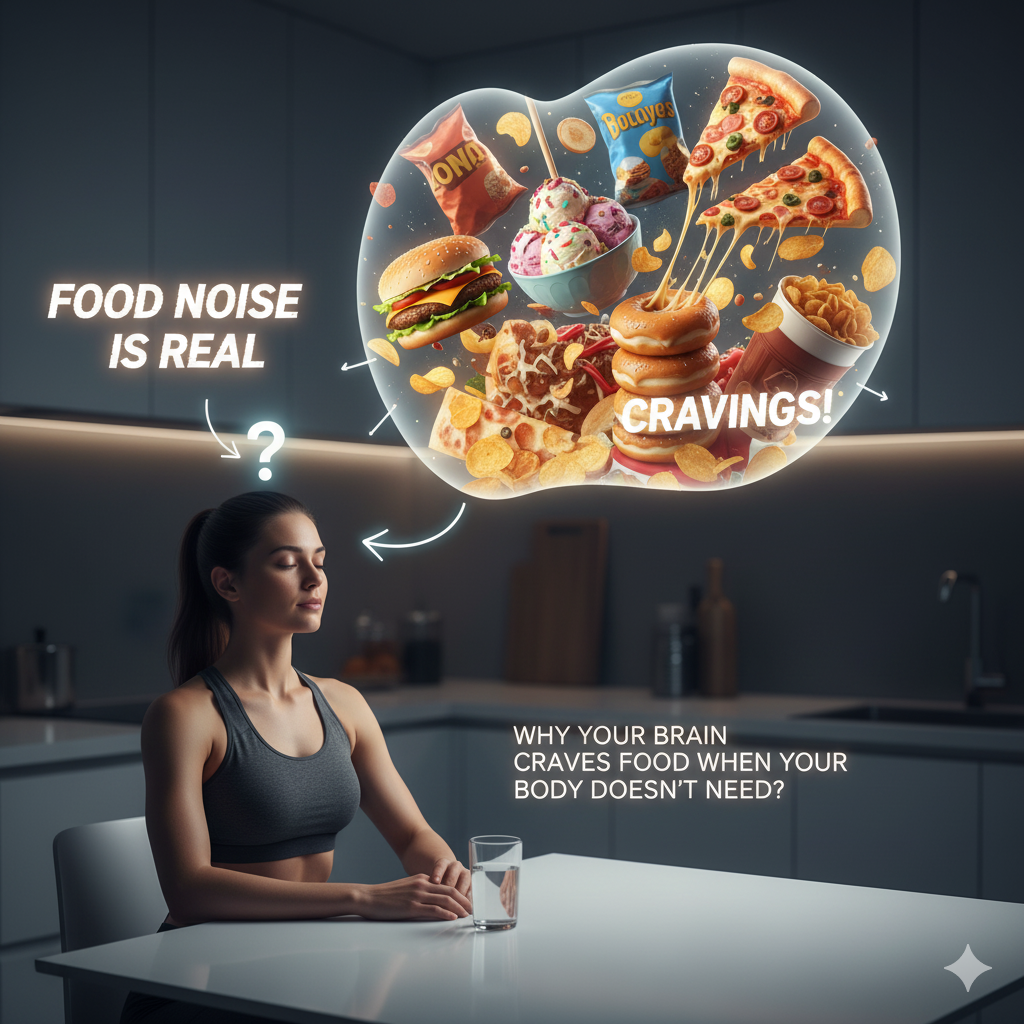
Ever found yourself reaching for snacks even when you’re not hungry? You’re not alone. This phenomenon, often called “food noise,” is a real effect that explains why your brain sometimes craves food even when your body doesn’t need it. Understanding this can help individuals, hospital nutritionists, and health-conscious people in the Philippines make better dietary decisions.
At Unnati Pharmax, we believe that understanding your body’s signals is as important as getting the right medications and supplements to support overall health.
What is Food Noise?
Food noise refers to the signals from your environment and brain that trigger cravings for food, even in the absence of actual hunger. These signals can come from:
- Advertising and media: Seeing or smelling food can make your brain want it.
- Social cues: Eating because others are eating.
- Habit and routine: Snacking at a certain time even without hunger.
- Stress or emotions: Emotional triggers that increase appetite.
In short, food noise is your brain saying “eat” even if your body’s energy levels don’t require it.
Why Your Brain Craves Food Without Physical Need
The brain’s reward system is heavily involved in food noise. When you eat, your brain releases dopamine—a feel-good chemical that reinforces the desire to eat, even if you aren’t hungry.
Other factors include:
- Hormonal Signals: Ghrelin, the “hunger hormone,” can spike due to stress or lack of sleep, leading to cravings.
- Neuroplasticity: Your brain remembers pleasurable experiences with food and seeks them repeatedly.
- Environmental Triggers: Sight, smell, or even thoughts of food can activate cravings.
These mechanisms explain why someone in the Philippines might crave sweet treats after seeing street vendors or during festivals, even after a full meal.
How to Manage Food Noise
Here are practical ways to manage food noise effectively:
- Mindful Eating: Focus on eating slowly and noticing when you are full.
- Healthy Snacking: Keep fruits, nuts, or yogurt ready to satisfy cravings without overindulging.
- Stay Hydrated: Sometimes, thirst is mistaken for hunger.
- Plan Meals: Structured meal timings reduce random snacking.
- Avoid Trigger Environments: Limit exposure to food advertisements and constant snacks.
For personalized dietary support, pharmacies and clinics can recommend nutritional supplements and vitamins from Unnati Pharmax to complement healthy eating habits.
Food Noise and Weight Management
For individuals and hospitals focusing on weight management programs, understanding food noise is crucial. Ignoring cravings can lead to emotional eating, weight gain, and nutritional imbalance.
Healthcare providers in the Philippines often combine education on food noise with supplementation, exercise, and structured meal plans to help patients achieve their health goals effectively.
Internal Links for More Resources
- Learn about our health supplements and wellness products to support balanced nutrition.
- Understand the importance of genuine medicines for overall health management.
- Explore our health blog for tips on diet, lifestyle, and wellness.
- Contact Unnati Pharmax for guidance on ordering supplements or medicines.
Frequently Asked Questions (FAQs)
1. What is the difference between hunger and food noise?
Hunger is a physiological need for energy, while food noise is the brain’s craving even when energy needs are met.
2. Can stress increase food noise?
Yes, stress and emotional triggers often amplify cravings for high-calorie comfort foods.
3. Are certain foods more likely to trigger food noise?
Yes, processed foods, sweets, and fried snacks often activate the brain’s reward system more than natural foods.
4. How can I control food noise while maintaining a balanced diet?
Mindful eating, hydration, meal planning, and healthy snacking are effective strategies.
5. Is food noise harmful to health?
Occasional food noise is normal, but chronic overindulgence can lead to weight gain, diabetes, and other metabolic issues.
External References
- Harvard Health – Why We Crave Food
- American Psychological Association – Emotional Eating
- World Health Organization – Healthy Diet
- National Institutes of Health – Appetite and Cravings
- Philippine Nutrition Facts
Related Blogs
- Understanding Polycystic Ovary Syndrome (PCOS): The Leading Cause of Female Infertility
- Navigating the Journey: Comprehensive Treatment of Female Infertility and Global Medicine Supply
- Stem Cell Transplant in Blood Disorders: Step-by-Step Overview | Unnati Pharmax
- Understanding Emotional Eating Patterns




Add comment